









Home to Africa’s Big Five and famously known as the “African Garden of Eden,” the Ngorongoro Conservation Area is a UNESCO World Heritage Site featuring the world’s largest unbroken volcanic caldera.
Home to over 25,000 large animals, including the densest known population of lions and the rare black rhino, the conservation area offers a unique landscape where wildlife coexists with the semi-nomadic Maasai people.
The Ngorongoro Conservation Area is a year-round destination because the wildlife remains inside the crater walls throughout the year.
June to October (Dry Season): The best time for general game viewing. Grass is short, making animals easier to spot as they gather around permanent water sources.
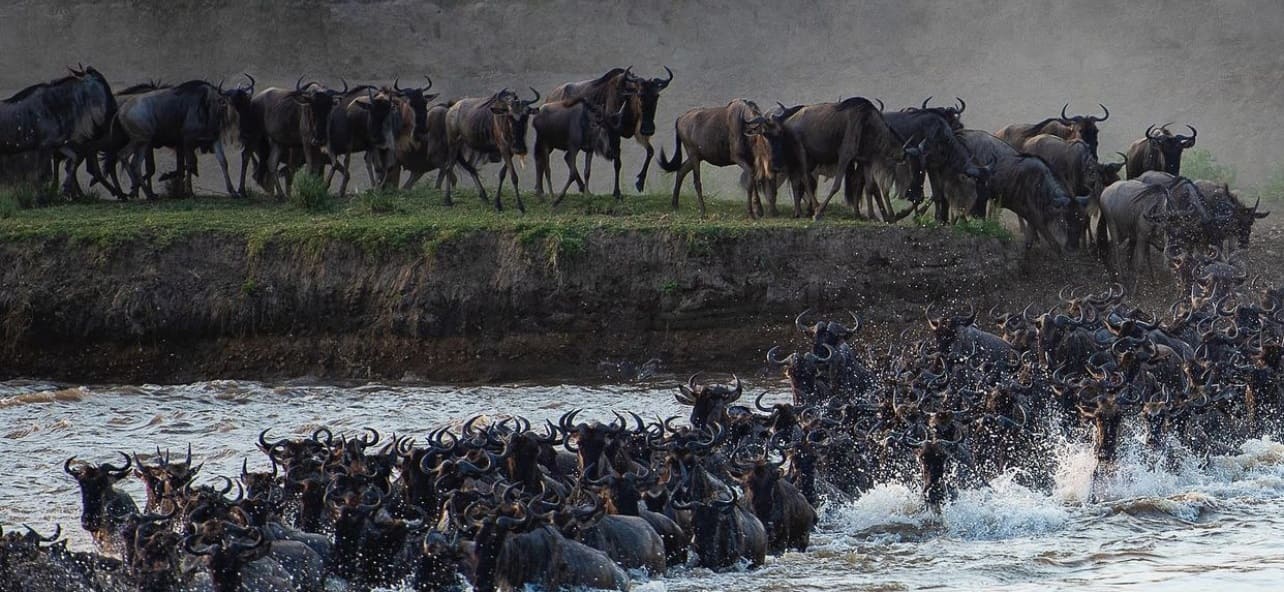
January to March: Ideal for witnessing the Great Migration’s Calving Season on the Ndutu plains, which straddle the border of Ngorongoro and the Serengeti.
April to May (Wet Season): The “Green Season” offers lush, emerald landscapes, fewer crowds, and lower rates, though some roads can be muddy.
The crater floor provides some of the most intense wildlife viewing in Africa, with a high concentration of predators and herbivores.
Zebras The zebra is one of the most iconic animals in Africa. These striking creatures are easily recognizable by their unique black-and- white striped coats.
The Cape buffalo is a large African bovine. It is not closely related to the other buffalo species. It is a typical member of the family Bovidae and the genus Syncerus.
The rhinos of the Ngorongoro are some of the most impressive animals on the planet. These massive creatures weigh in at over two tons.
With over 500 recorded species, the area is a paradise for birders, ranging from soda lake dwellers to forest specialists.
African Jacanas are very interesting vocal, wading birds. This is because they make various sounds like moans, raucous shrieks, and almost barking sounds.
The saddle-billed storks are large wading birds with red bills, black bands, and yellow frontal shields or the saddle.
With an excited and engaging voice tone, this awe-inspiring creature will surely capture the attention of anyone lucky enough to spot it in the wild.
The topography varies from lush montane forests on the rim to the flat, salty plains of the crater floor.
A vast, flat expanse of short-grass plains and yellow-fever tree forests, providing a perfect stage for the “circle of life” to play out.
The steep crater walls are draped in thick, evergreen forests that capture the mist, providing a home for leopards and elephants.
Lake Magadi and various hippo pools create vital wetland habitats amidst the dry savannah, attracting a massive variety of aquatic life.
Ready to embark on your African adventure? Reach out to us for booking inquiries and let’s make your dream trip a reality!
Reach out to our team of safari and Kilimanjaro tour experts. We’ve helped thousands of travelers tick off their Tanzania bucket list (and stay on budget) without the stress of trying to plan everything alone. Contact us about your Tanzania wish list today, and let’s curate your ultimate safari and trekking adventure